Why Dead Rats Smell Worse in Summer: The Brisbane Heat Factor
If you’ve ever noticed a foul smell in your home during a Brisbane January, you know it’s not just "bad"—it’s overpowering. The combination of 30°C+ temperatures and high humidity creates a perfect storm for biological decay. Here is why dead rat odors are so much worse in summer.
1. The Biological Catalyst: Heat
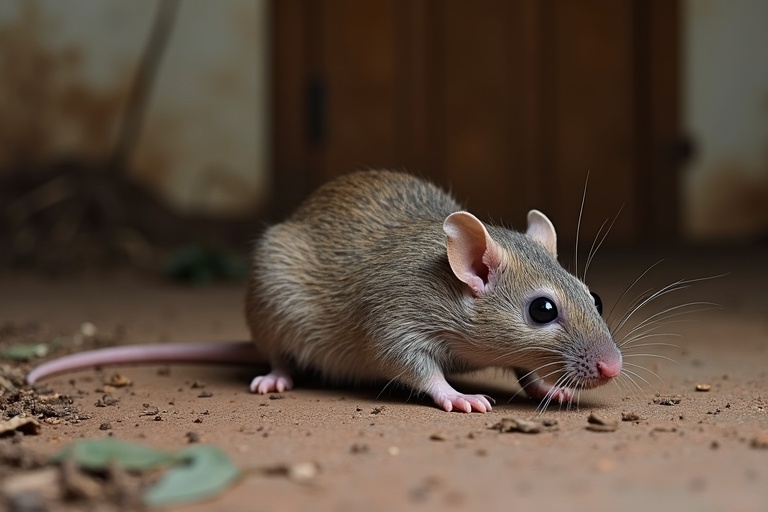
At its core, decomposition is a bacterial process. Like most bacteria, the microorganisms responsible for breaking down a carcass thrive in warm environments. In winter, a rat might decompose slowly over several weeks, with the smell remaining manageable.
However, in a Brisbane roof cavity during summer, temperatures can regularly exceed 50°C. This extreme heat acts as an incubator, accelerating the metabolic rate of bacteria. What would normally take days happens in hours. This rapid breakdown leads to a massive and sudden release of gases like hydrogen sulfide and cadaverine—the chemicals responsible for that "dead animal" smell.
2. Humidity: The Odor Carrier
Brisbane is famous for its "sticky" summer humidity. Moist air is actually better at carrying odor molecules to your nose than dry air. When the air is saturated with water vapor, it traps the volatile organic compounds (VOCs) released by the decomposing rat and keeps them suspended in the air longer.
Furthermore, high humidity prevents the carcass from drying out (mummifying). In a dry climate, a small rodent might desiccate quickly, effectively "locking in" the smell. In Brisbane, the moisture keeps the tissues soft and the "soup" of decomposition active for much longer, extending the window of peak odor.
3. The Queenslander Effect: Expansion and Pressure
Older homes and Queenslanders often have ceiling cavities that aren’t perfectly sealed. When air in the roof heats up during the day, it expands. This creates positive pressure, pushing the hot, putrid air down through light fittings, ceiling fans, and cracks in the plasterboard into your living spaces.
This is why many homeowners find the smell becomes unbearable in the afternoon as the sun beats down on the roof, only to find it slightly recedes in the cool of the night. The heat is literally pumping the smell into your home.
4. Secondary Biological Activity
Summer is also the peak season for blowflies and maggots in Queensland. A carcass in 30°C heat will attract flies within minutes of death. The activity of thousands of maggots moving through the carcass further breaks down the tissue and increases the surface area for odor release.
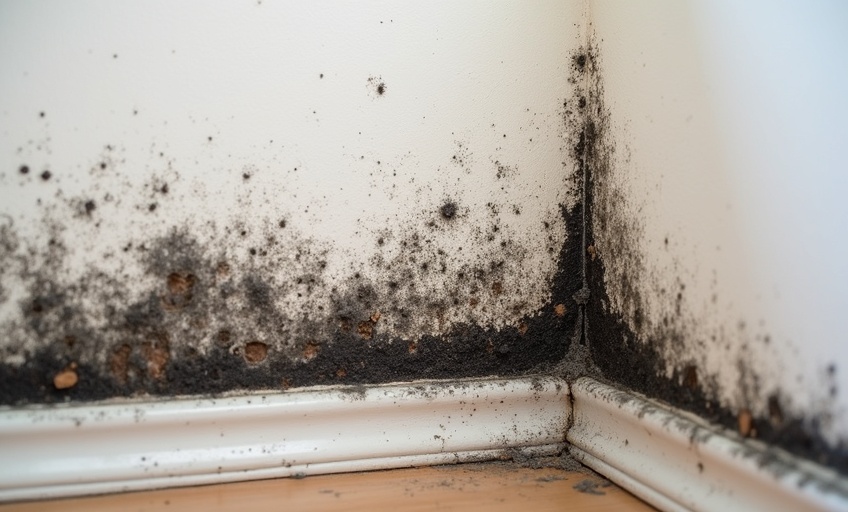
In summer, you might also notice a secondary "musty" smell. This is often mold or fungi growing on the fluids released by the carcass, which find the warm, damp conditions of a summer roof cavity ideal.
5. Permanent Odor Soaking
Perhaps the biggest risk of a summer rat death is the permanent damage. In high heat, the fats and oils released during decomposition are more liquid. They seep deeper into timber beams and plasterboard. If left too long in the heat, these oils can permanently saturate the materials, meaning even after the rat is removed, the smell remains baked into your home’s structure.
The Solution
Because time is of the essence in summer, immediate removal is critical. Waiting even 48 hours in a Brisbane heatwave can mean the difference between a simple cleanup and having to replace parts of your ceiling. Professional neutralizers are also essential to break down the highly active odor molecules that summer heat produces.